Thank you! Your submission has been received!
Oops! Something went wrong while submitting the form.
MENU

How to choose the right platform to scale revenue, streamline admin, and deliver better student outcomes
Creators, coaches, and consultants have turned education into a growth engine. If you sell digital products like courses, coaching programs, or memberships, you already know the importance of a strong learning experience. But scaling that experience—without adding more to your plate—takes more than talent. It takes the right tools.
A Learning Management System (LMS) gives you the structure to build and grow a modern education business. You can deliver content, track student progress, manage payments, and create new revenue streams—all from one place.
The best LMS platforms focus on more than just content delivery. They help you:
This guide explains how LMS platforms work, how to choose one that aligns with your business model, and which platforms to consider in 2025. We reviewed over a dozen options, but only a few support what creator-educators actually need: time-savings, monetization, student engagement, and flexibility.
Let’s break it down.
{{trial-component="/blog-shortcodes/blog-cta"}}
Online education isn’t a trend anymore. It’s a proven business model. Since the boom of remote learning and digital content in recent years, creators and small business owners have built entire revenue streams around their knowledge.
But growth brings complexity.
If you started with one course and a simple sales page, you probably managed it with a handful of tools. Maybe a checkout plugin, an email list, and some downloadable files. But as your business grows, those disconnected systems start to slow you down.
At some point, you need a platform that works like a partner.
An LMS helps you go from launching to scaling. Instead of piecing things together, you can create a seamless experience for both you and your students. You can manage everything, course delivery, payments, taxes, analytics, community, etc., inside one system.
The right LMS can help you:
If you already have an engaged audience, the next step is building a business that scales without burning you out. That starts with choosing an LMS designed for modern creator-educators—not corporate HR teams or universities.
The LMS market keeps evolving fast. According to The Business Research Company, the market will reach $44.68 billion by 2029, growing at a compound annual growth rate (CAGR) of 18.1%. But this growth isn’t just about bigger budgets. It’s about platforms adapting to what modern creators and small businesses actually need.
Here are the top LMS trends shaping 2025, and how they help you build a smarter, more scalable business:
LMS platforms now use artificial intelligence to help you create better online learning structures, dynamic learning paths, suggest relevant content, and adapt to each student's progress. This creates a more engaging experience that keeps students learning and buying from you.
More students consume content on their phones. The best LMS platforms now prioritize responsive design, app-based access, and on-the-go learning. This helps you meet your audience wherever they are.
LMS platforms in 2025 connect directly with CRMs, email tools, and finance systems. These integrations reduce manual work and give you a full view of your sales, marketing, and student success in one place.
Subscription-based learning is no longer optional. Leading platforms now support memberships, digital communities, and bundled offerings to help creators build predictable income.
You no longer need to hire a developer or designer to launch professional content. New LMS platforms offer intuitive builders, AI-powered editors, and drag-and-drop tools to help you create courses and coaching programs faster.
From auto-enrollment to payment processing and student onboarding, automation is now standard. These tools save you time, reduce errors, and create a better experience for your students and your team.
As you evaluate LMS options, look for platforms that embrace these trends with real-world features. The right tech should grow with your business and make your day-to-day easier, not harder.
A practical framework to find the best fit for your business
With so many platforms on the market, choosing the right LMS can feel overwhelming. But once you understand what matters most to your business, the decision becomes much simpler.
{{trial-component="/blog-shortcodes/blog-cta"}}
Use this five-step process to evaluate each option based on what you need today—and where you want your business to go.
Start by clarifying what success looks like for your learning experience. Do you want to teach a course, run live coaching, launch a membership, or build a digital library of downloads? Then identify who you’re serving. Are they paying customers, employees, or community members?
Ask yourself:
Once you know your goals, look for features that match them. Pay special attention to areas that save time and improve your student experience.
Look for:
LMS software isn’t just a tool. It’s infrastructure. Choose a platform that offers reliable uptime, data protection, and responsive support.
Check for:
Once you’ve narrowed your list, create a side-by-side comparison. Use a checklist or scorecard to rate how well each option supports your needs. Most platforms offer a free trial or demo. Use that time to build a sample course or workflow and see how it performs.
Ask:
Choosing your LMS is only the beginning. Think about how you’ll implement it, what content you’ll launch first, and how you’ll market it. A good platform should not only support your first product, but grow with you as you expand into coaching, community, or additional courses.
Before committing, confirm:
Choosing the right LMS is an important decision. With the right system in place, you’ll spend less time managing tech and more time teaching, growing, and building real relationships with your audience.
We evaluated dozens of platforms and narrowed it down to the top 15 that help you grow, automate, and monetize effectively in 2025. While many LMS options serve enterprise teams or higher education, only a few are built for independent creators and small business owners with serious goals.
Here are the platforms worth your attention, starting with the one designed specifically for modern business creator-educators.

Best for: Creators, coaches, and consultants who want to scale with less admin
Teachable gives you everything you need to create and sell courses, coaching, and digital products—without hiring a team or writing a single line of code. It offers AI-powered course creation, automatic tax and payment handling, and direct integrations with tools you already use.
You can deliver engaging learning experiences with quizzes, certificates, and drip content, while keeping everything on-brand. With flexible pricing models and support for one-time payments, subscriptions, or memberships, Teachable helps you grow revenue and protect your time.
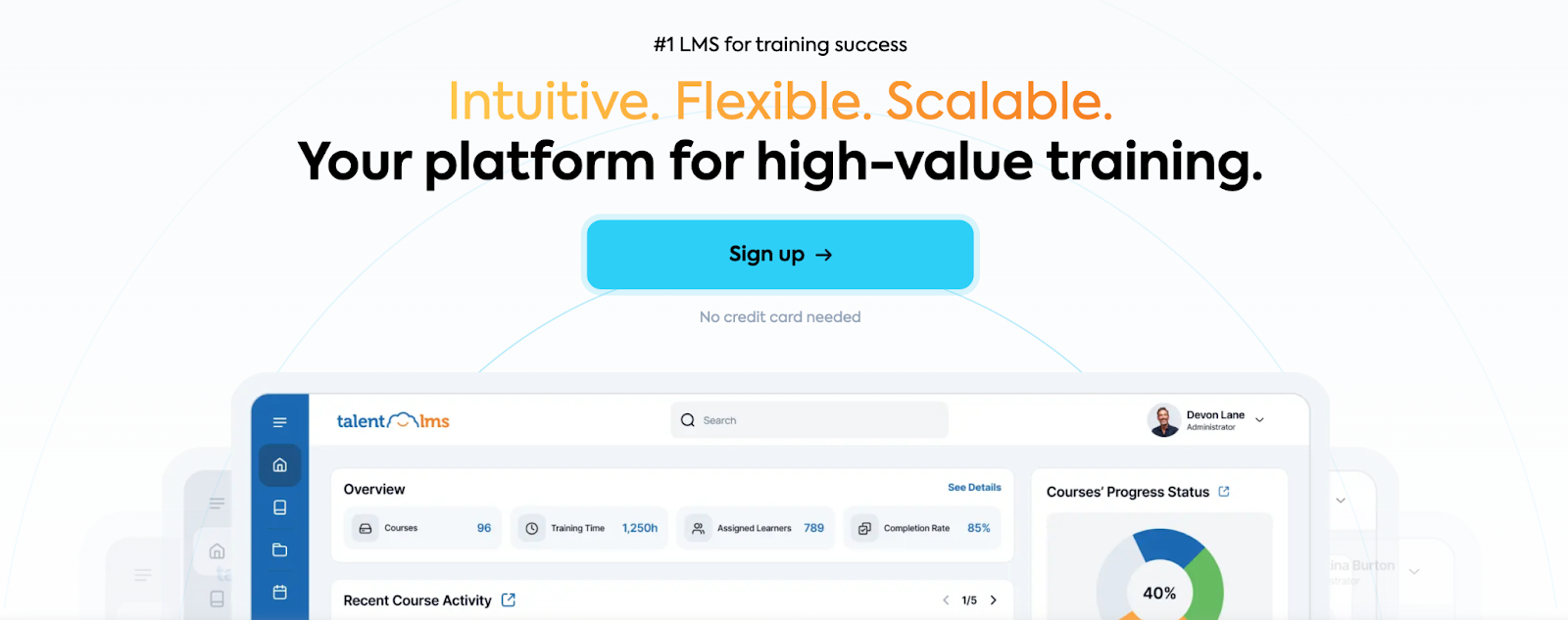
Best for: Corporate teams and SMBs needing fast setup
TalentLMS makes it easy to build training programs for teams and organizations. It supports compliance tracking, certification, and role-based content delivery. Its drag-and-drop builder and multilingual options help businesses scale internal training quickly.

Best for: Large businesses with AI-focused personalization needs
Docebo uses machine learning to personalize learning paths, recommend content, and track learner behavior at scale. It’s a better fit for enterprises running complex training programs across departments or global teams.

Best for: Instructional designers and L&D teams building custom courses
Articulate 360 offers powerful authoring tools like Storyline and Rise. It’s ideal for creators building highly customized, multimedia-rich learning content—especially when paired with an internal LMS or SCORM-compliant system.

Best for: Teams building peer-led, collaborative learning experiences
360Learning blends course creation with social learning features like peer feedback, upvoting, and group challenges. It works well for businesses training internal teams or customer-facing roles.

Best for: Compliance-heavy teams and workforce development
Absorb LMS supports complex organizational training with strong compliance features, including audit trails, certification paths, and robust reporting. It fits larger companies managing regulatory or safety training.

Best for: Companies focused on security and structured learning programs
Litmos is a mobile-first LMS that offers a library of pre-built compliance courses, enterprise integrations, and secure access management. It serves highly regulated industries like finance, healthcare, and manufacturing.
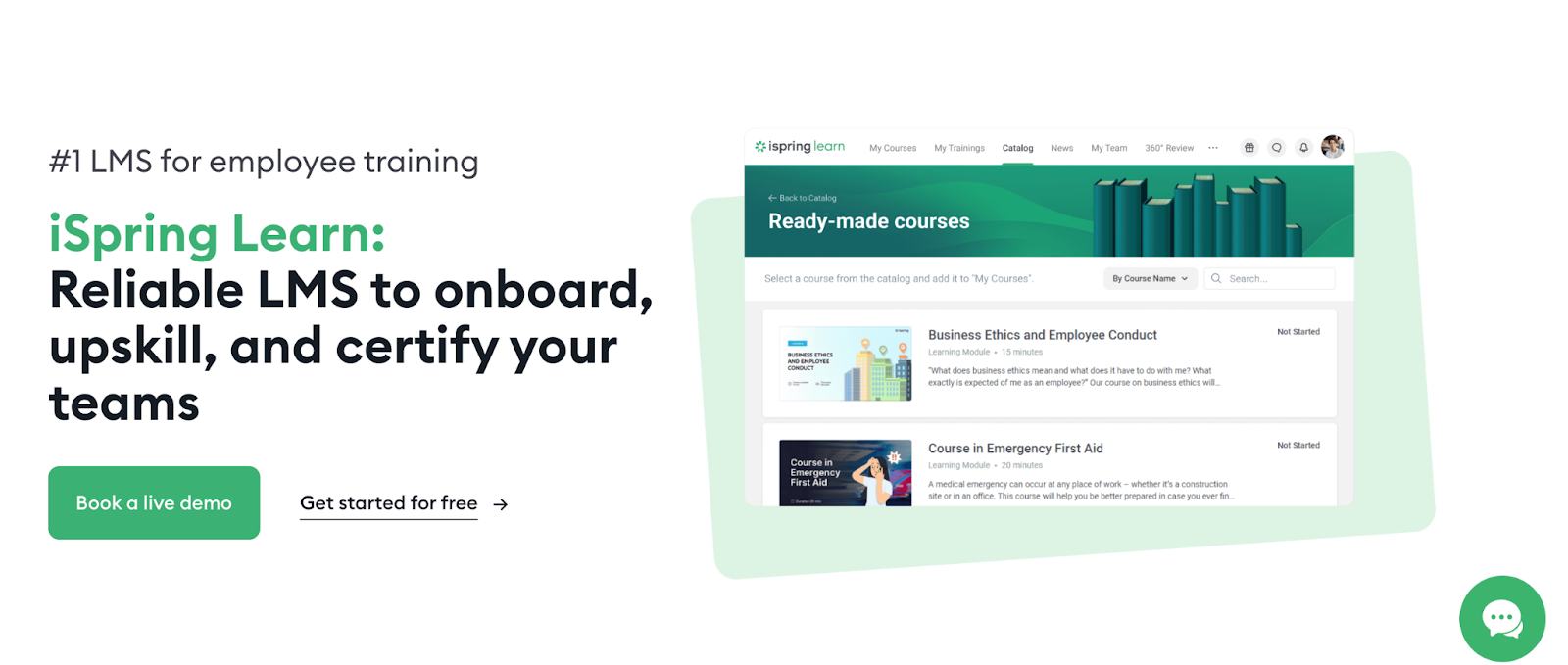
Best for: Sales and customer service training with quick content turnarounds
iSpring Learn converts PowerPoint content into interactive learning and supports gamified experiences. It’s useful for small teams building training around products or onboarding workflows.
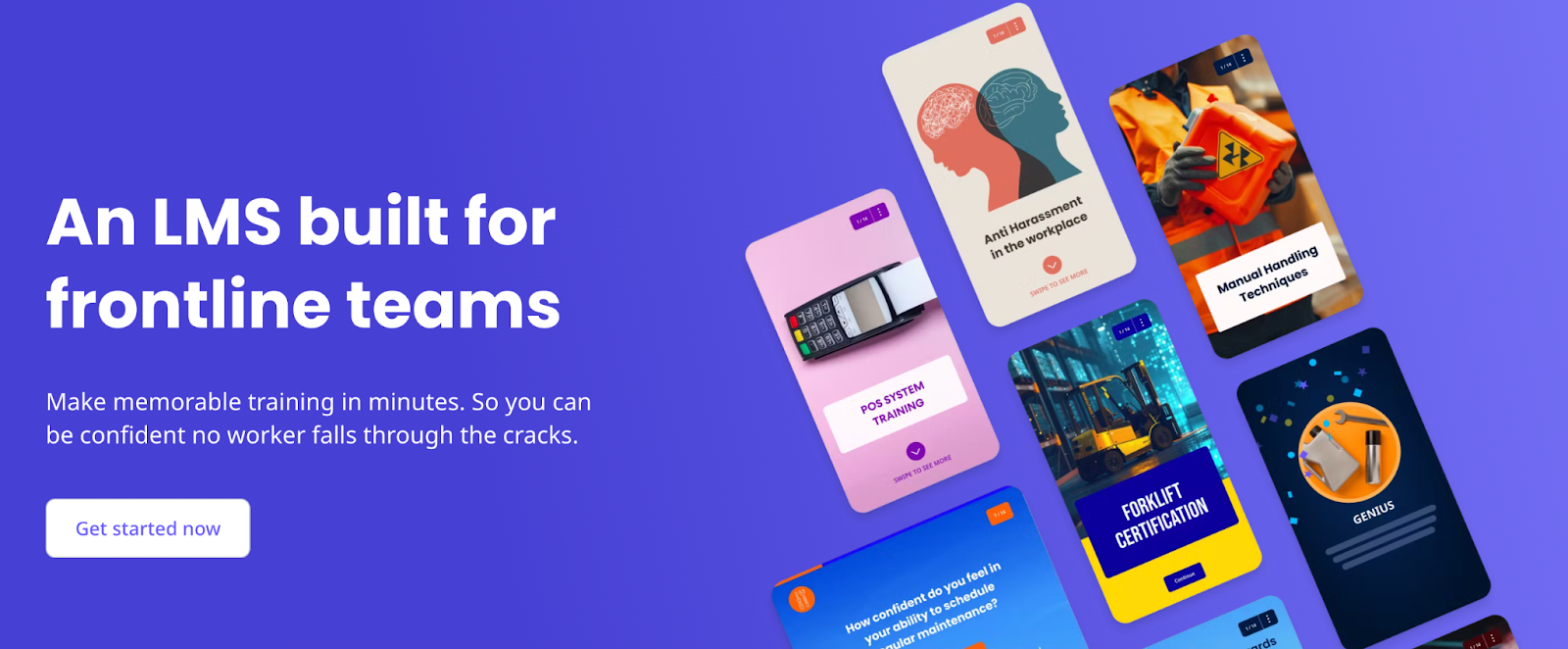
Best for: Frontline and deskless teams who learn on mobile
EdApp delivers bite-sized microlearning content through a sleek, mobile-first interface. With built-in gamification and push notifications, it keeps learners engaged on the go.
Best for: Companies looking to augment internal knowledge with AI
Sana isn’t a full LMS but offers AI tools to turn internal documents into searchable learning hubs. It works best as a layer on top of existing training systems or knowledge bases.

Best for: Academic institutions and universities
Blackboard Learn supports higher education with integrations for student information systems, gradebooks, and formal academic assessment tools. It’s designed for structured curricula and classroom-based learning models.
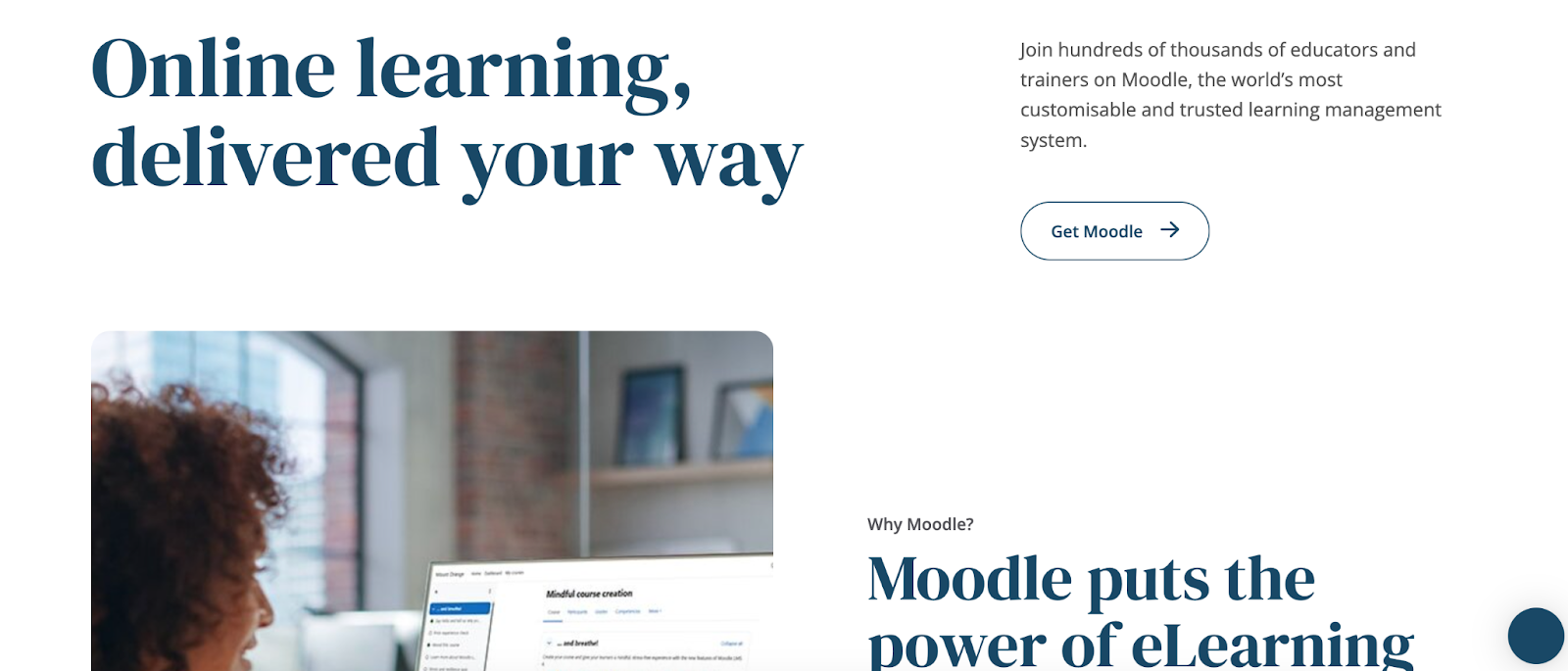
Best for: Institutions or nonprofits needing customization on a budget
MoodleCloud offers the flexibility of open-source LMS software without needing your own server. It suits organizations with technical teams that can manage setup and customization.

Best for: Live virtual classrooms and hybrid teaching
WizIQ specializes in live, instructor-led learning with features like whiteboarding, breakout rooms, and webinar hosting. It’s useful for educators combining live instruction with recorded content.
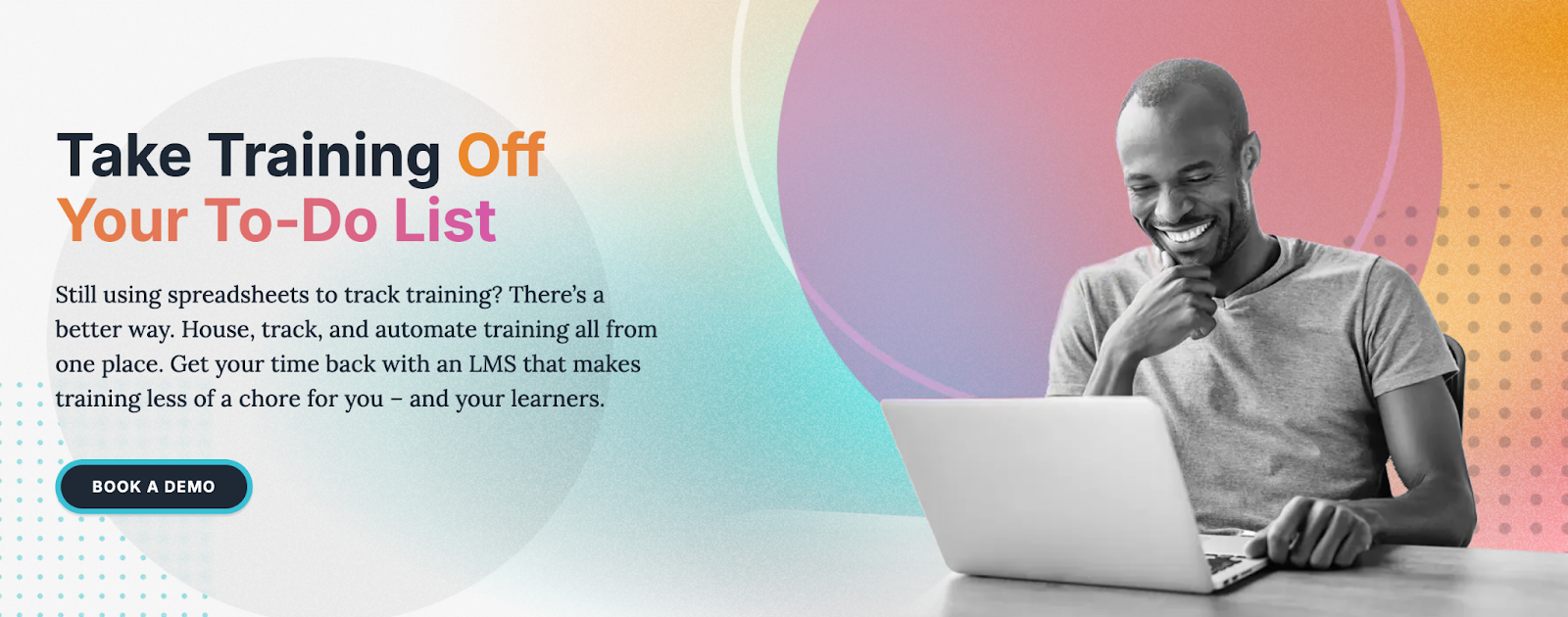
Best for: Businesses seeking a visually polished, feature-rich LMS
Tovuti combines drag-and-drop course creation with gamification, social learning, and customizable branding. It offers flexibility for companies creating interactive, learner-centric environments.
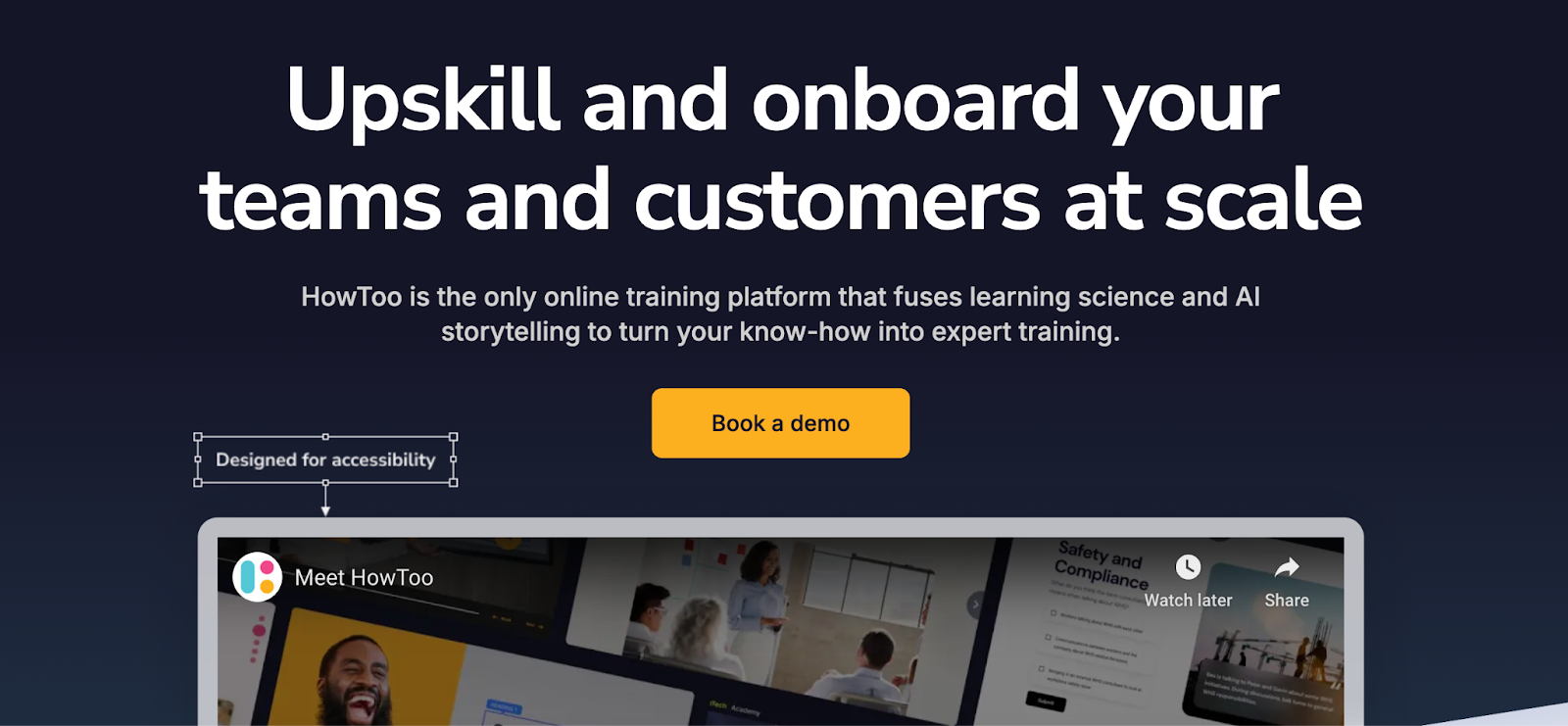
Best for: Small teams or consultants creating branded, interactive learning at scale
HowToo is a visual, drag-and-drop LMS designed for ease of use and fast content creation. It supports SCORM compliance, advanced accessibility, and interactive design features. Consultants and small businesses use HowToo to deliver internal training or client-facing learning without hiring a developer.
This list gives you a range of options, but if you’re an established creator looking to save time, grow revenue, and stay in control of your business, only a few platforms truly fit.
Choosing an LMS is a strategic move for your business. The right platform helps you serve more students, automate busywork, and scale your offerings without sacrificing quality or burning out.
For creators and small business owners, here’s where to focus:
You’ve already built momentum. You’re ready to package your expertise into courses, coaching, or memberships that generate real revenue. You need tools that save time, support flexible content types, and handle the business side—payments, taxes, student engagement—without custom code or outside help.
Best choice: Teachable
Teachable gives you an intuitive builder, automation tools, and a platform designed specifically for creator-led education businesses. It supports multiple product types, built-in monetization, and time-saving features like automatic tax handling and team payouts.
{{trial-component="/blog-shortcodes/blog-cta"}}
If you're building repeatable learning programs for teams or clients, look for platforms that support branded experiences, flexible content, and strong analytics. You may also need white-labeling or compliance tools.
Top picks: TalentLMS, Tovuti, HowToo, Teachable
When your focus is onboarding employees or delivering internal skill-building, prioritize tools that support user management, compliance tracking, and integration with HR or CRM systems.
Top picks: Absorb LMS, Docebo, SAP Litmos, Teachable
If you’re delivering structured programs with institutional oversight, consider platforms that offer advanced grading, academic integrations, or open-source flexibility.
Top picks: Blackboard Learn, MoodleCloud
No matter what stage your business is in, the right LMS should make growth easier—not more complicated. Look for tools that respect your time, help you serve your audience, and allow you to scale with confidence.
🎯 Ready to start building?
{{trial-component="/blog-shortcodes/blog-cta"}}
Start by identifying your business goals. Are you selling courses, offering coaching, building a membership, or training a team? Look for an LMS that matches your delivery style and supports the features you need: automation, engagement tools, payment handling, and scalability. Make sure the platform integrates with your existing tools and fits your level of technical comfort. Try a demo or free trial to see how it actually feels to build and teach with it.
Pricing varies depending on features and scale. Most platforms charge monthly or annual fees, starting around $30 to $100 per month for creators and small teams. Higher-tier plans—especially those with subscriptions, advanced automation, or white-labeling—can range from $200 to $500+ per month. Be sure to factor in transaction fees, add-ons, and any costs for integrations or additional users.
Look for tools that save time and support growth. This includes an easy course builder, flexible product types (courses, coaching, downloads), mobile-friendly design, and built-in payments. Engagement tools like quizzes and certificates help retain students. Bonus points if the platform handles taxes, payouts, and integrations for you.
Yes. Many LMS platforms, including Teachable, support multiple product formats—like coaching sessions, memberships, and downloadable resources. This flexibility lets you diversify your offerings and increase revenue without switching platforms.
Most modern LMS platforms are no-code or low-code, meaning you can build and launch products without hiring a developer. Choose a platform with drag-and-drop tools, templates, and a straightforward dashboard. If you’re already using tools like email marketing or payment systems, make sure your LMS integrates smoothly with them to avoid extra setup work.
.
